
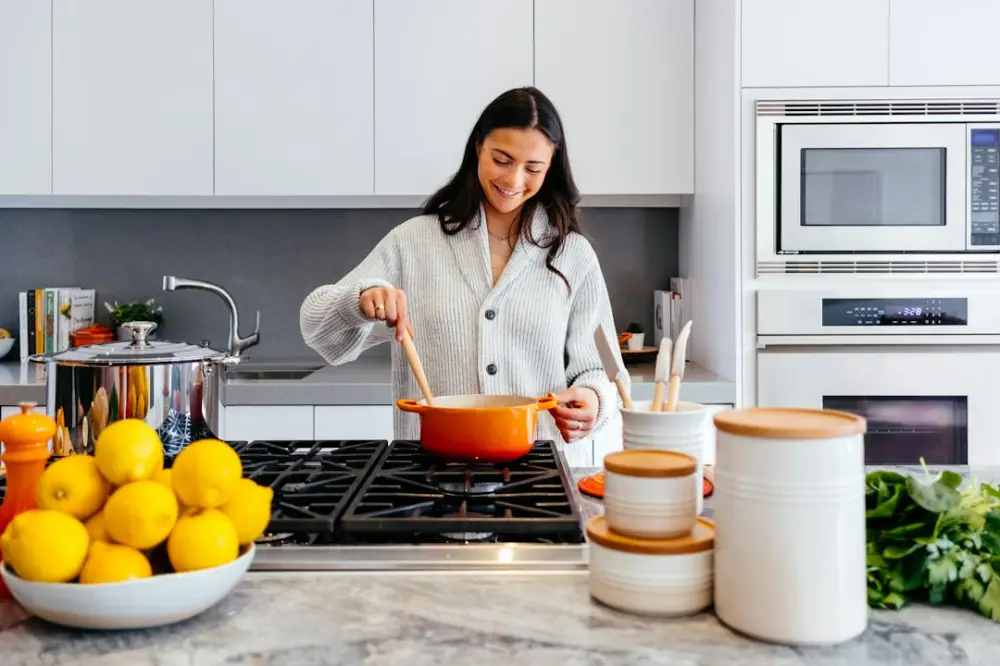
Balancing heat in everyday cooking involves managing temperature distribution to ensure food cooks uniformly. By controlling energy transfer—whether through conduction, convection, or radiation—you prevent hot spots and allow complex flavors to develop. Mastering this balance is the key to achieving professional-level searing, simmering, and layering of tastes in every home-cooked meal.
When you control the thermal environment of your pan or pot, you dictate how seasonings react with proteins and vegetables. Instead of burning delicate spices or leaving the center of a dish cold, consistent heat allows aromatics to bloom and sugars to caramelize slowly, creating the foundation for vibrant, layered meals that taste intentional rather than accidental.
Why Balanced Heat is Essential for Flavor
Heat is the primary catalyst for flavor development in the kitchen. Without it, ingredients remain raw and their chemical structures unchanged. However, excessive or uneven heat can be destructive, turning a carefully seasoned dish into something bitter or dry. The goal of balancing heat is to facilitate the Maillard reaction, a chemical process between amino acids and reducing sugars that gives browned food its distinctive, savory taste.
Consider a simple stovetop sear on a piece of protein. If the pan is too hot, the exterior burns before the interior reaches a safe temperature, resulting in a bitter crust. If the heat is too low, the protein releases moisture and steams in its own juices, preventing that golden-brown finish. When you manage these temperatures correctly, you can begin experimenting with bold spice combinations that transform everyday meals into professional-quality experiences. The heat must be high enough to trigger browning but controlled enough to allow the spices to toasted without scorching.
Fundamentals of Even Heat Distribution
Achieving a balanced result requires an understanding of how energy moves from your stove to your food. There are three primary methods of heat transfer in a standard kitchen: conduction, convection, and radiation. Conduction is the most direct, occurring when your food touches a hot surface, like a cast-iron skillet. Convection involves the movement of heat through a medium, such as boiling water or the circulating air in an oven. Radiation is seen in broiling or grilling, where heat waves travel directly to the ingredient.
In a typical sauté scenario, conduction is the dominant force. If your burner has a "hot spot"—a common issue with older electric coils or smaller gas rings—one side of your pan will be significantly hotter than the other. This leads to uneven cooking where some pieces of garlic might be perfectly golden while others remain raw. To counter this, home chefs must learn to move food frequently or use cookware that compensates for these irregularities. Even heat distribution ensures that every bite of a stew or stir-fry has the same depth of flavor.
Cookware Materials and Temperature Control
The material of your pots and pans dictates how heat is absorbed and retained. Every material has a different level of thermal conductivity. For instance, copper and aluminum heat up very quickly and respond almost instantly to changes in the stove’s dial. This makes them excellent for delicate sauces where a few degrees can mean the difference between a smooth emulsion and a broken mess.
On the other hand, materials like cast iron and enameled stoneware have high thermal mass. They take longer to heat up, but they hold onto that heat with incredible tenacity. This is why a heavy Dutch oven is the preferred tool for long, slow braises. Once the vessel reaches the desired temperature, it acts as a battery, providing a steady, unwavering environment for tough cuts of meat to break down. When choosing cookware for daily use, consider the task at hand: use responsive metals for quick sears and high-mass materials for dishes that require deep, layered simmering.
How to Manage Stove Heat for Layered Results
Managing heat is a proactive process rather than a reactive one. Many beginners wait for smoke to appear before adjusting the dial, but by then, the balance is already lost. To achieve a layered flavor profile, you must guide the temperature through different stages of the cooking process.
- Preheat the vessel: Always allow your pan to come to temperature for three to five minutes on a medium setting before adding oil or ingredients. This prevents sticking and ensures immediate heat transfer.
- The water drop test: Flick a few drops of water onto the pan. If they sizzle and evaporate immediately, the pan is ready for light sautéing. If they bead up and dance across the surface (the Leidenfrost effect), the pan is ready for a high-heat sear.
- Add fat and wait for the shimmer: Once the pan is hot, add your oil or butter. Wait until the oil shimmers or the butter’s foam subsides before adding ingredients.
- Layer your ingredients: Start with the items that require the most time or higher heat to develop flavor, such as onions or meats. Save delicate aromatics like garlic or dried herbs for later in the process to prevent burning.
- Modulate the dial: Do not be afraid to turn the heat down once the initial sear is achieved. Lowering the flame allows the interior to cook through without ruining the exterior crust.
This systematic approach is essential when applying 10 caribbean-inspired seasoning ideas for bold results in your own kitchen. By controlling the stages of heat, you ensure that each spice layer is activated at the right moment.
Choosing the Right Technology for Precision
Modern kitchen technology has made it easier to maintain precise temperatures. Induction cooktops, for example, use electromagnetic fields to heat the cookware directly, offering a level of precision that traditional gas or electric ranges struggle to match. Because the surface itself doesn't get hot, there is less wasted energy and a much faster response time when you need to drop from a boil to a simmer.
Beyond the stove, digital tools are invaluable for the home chef. An instant-read thermometer is perhaps the most important tool for heat management. It removes the guesswork from cooking proteins, ensuring they reach the safe minimum internal temperature without becoming overcooked. For those focusing on layered flavors, infrared thermometers can even measure the surface temperature of a pan, allowing you to hit the exact degree needed for specific spices to bloom without smoking the oil.
Common Temperature Mistakes Beginners Make
One of the most frequent errors in heat management is overcrowding the pan. When you add too many cold ingredients at once, the temperature of the cooking surface drops precipitously. Instead of searing, the food begins to release liquid and boil. This is why it is often better to cook in batches, allowing the pan to recover its heat between rounds. This patience results in the crispy textures and concentrated flavors that define high-quality home cooking.
Another common mistake is neglecting the concept of carryover cooking. Food does not stop cooking the moment it is removed from the heat source. A thick steak or a roasted chicken will continue to rise in temperature by 5 to 10 degrees while resting on the counter. If you wait until the thermometer hits the final target temperature while the food is still in the pan, you will likely end up with a dry result. Learning to pull food just before it hits the peak ensures a juicy, tender finish.
Mastering Your Kitchen: A Call to All Chefs
True mastery of the kitchen comes from the intersection of high-quality seasoning and precise heat control. You can have the most vibrant spices in the world, but if they are subjected to uncontrolled, erratic temperatures, their nuances will be lost. Layering flavor is as much about the physics of the pan as it is about the ingredients in the jar. By paying attention to the way heat moves through your cookware and adjusting your technique to match the material, you create a foundation for culinary success.
At Haitian Quake, we believe that everyday meals should never be dull. When you understand how to balance heat, you unlock the full potential of your seasonings, allowing every herb and pepper to contribute its best characteristics to the final dish. Whether you are simmering a long-form stew or quickly sautéing vegetables for a weeknight dinner, the deliberate management of temperature is what transforms a simple recipe into a memorable meal. Take the time to learn your stove, invest in heavy-bottomed pans, and always keep an eye on the flame; your palate will thank you for the extra effort.